Could the key to upgrading your well-being this year be hidden in mental fitness apps you’ve yet to try? With rising cognitive overload, shrinking attention spans and the thrum of digital noise shaping every hour, mental fitness has shifted from a wellness trend to a survival skill. The mental fitness apps offer something far more practical: stability, clarity and a sense of internal pace that modern life effortlessly erodes.
This is not about replacing therapy or abandoning devices. It is about using structured digital tools to strengthen the parts of your mind that fatigue, distraction and stress keep wearing down.
Why Mental Fitness Is the New Physical Fitness
For years, mental health was framed as something you address only when things fall apart. That understanding no longer holds. The modern world requires the same ongoing mental conditioning that physical fitness has always demanded. Just as the body needs movement, the mind needs patterns of regulation—small workouts for focus, resilience, emotional steadiness and cognitive rest.
Mental fitness apps bring those workouts to your pocket. They turn attention into repetitions, calmness into practice and emotional awareness into data you can finally read. They offer ten-minute windows of focus between meetings, grounding rituals during overwhelm and sleep routines that help your brain reset.
In 2025, maintaining mental sharpness is no longer a luxury. It is the backbone of functioning well.
Choosing Your Workout: App Types and Top Picks
Think of mental fitness like cross-training. Each category strengthens a different mental muscle. Below is your curated guide to the most effective app types in 2025—each with two free, reliable options that require no subscriptions to begin.
The Focus Boosters
Attention has become the modern scarce resource. These apps help rebuild it through structured, interruption-free work sessions.
- Forest
A simple, clever tool where a virtual tree grows as long as you stay focused. Break the session by checking your phone, and the tree dies. Behavioural conditioning in its most elegant form.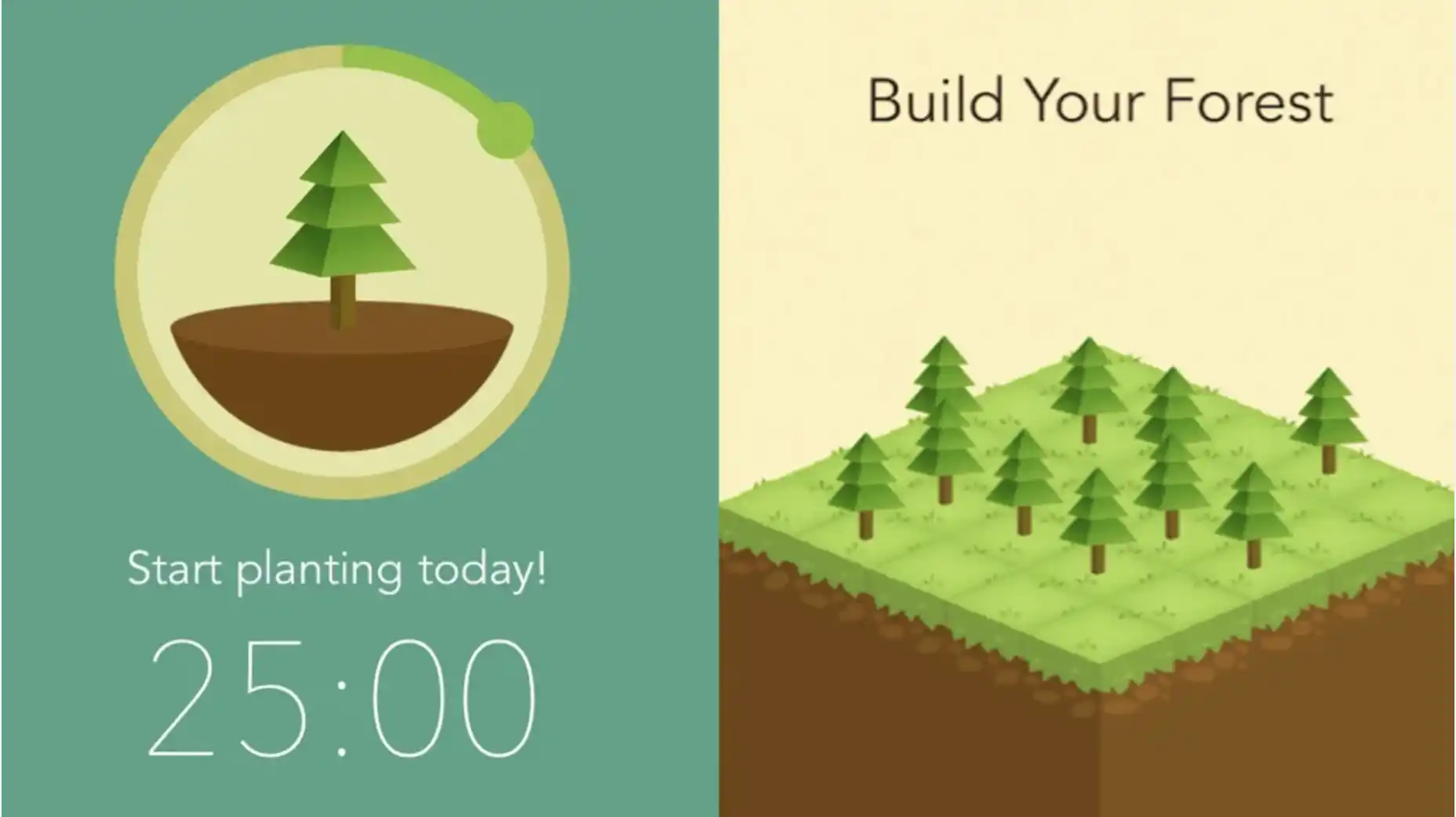
Source: Custom Writing Service - Tide
A blend of Pomodoro timers and calming soundscapes that create a focused mental environment, helping you slip into deep work without fighting internal noise.
Anxiety Fighters
Stress triggers digital spirals—constant checking, emotional flooding, unproductive restlessness. These apps help you shift out of that cycle.
- MindShift CBT
Built on cognitive-behavioural principles, it offers short, easy exercises for worry, panic and stress management.
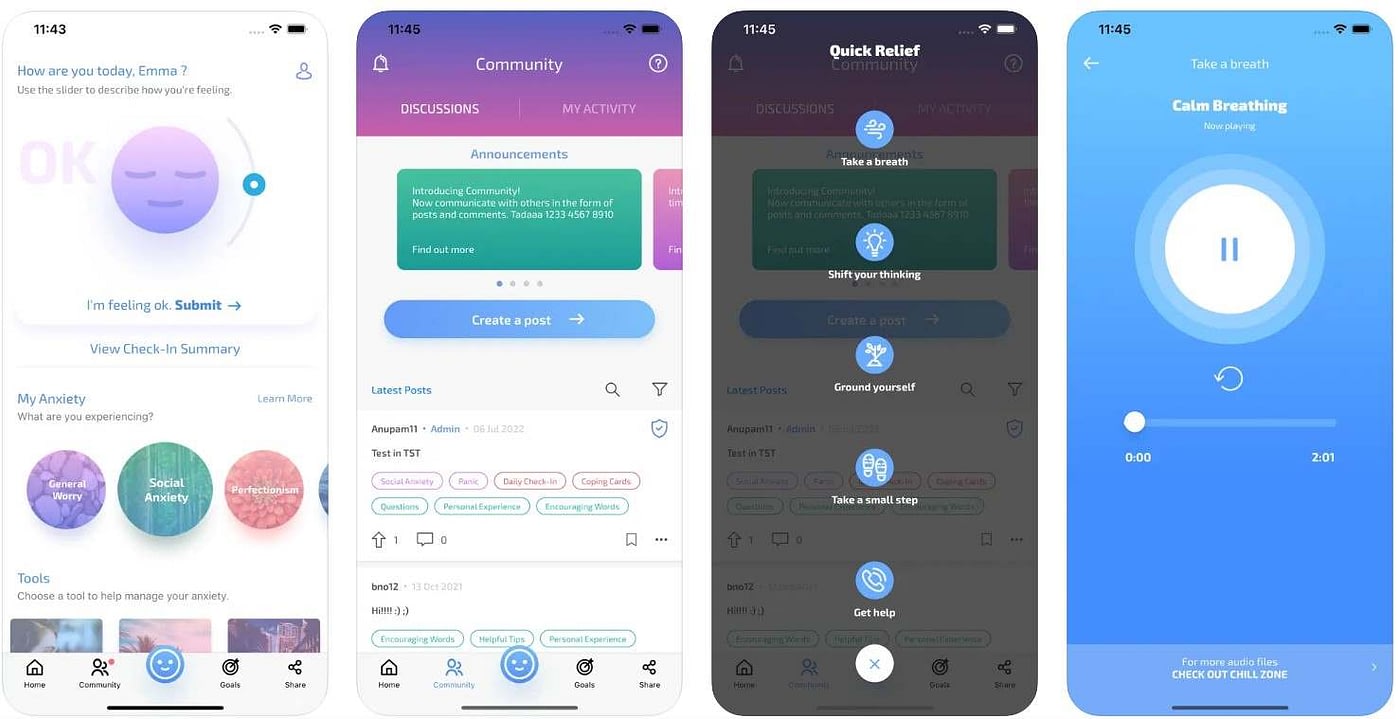
Source: VisionVix - Sanvello (free tier)
Provides grounding tools, breathing guides and simple emotion-regulation pathways you can use anytime.
Mood Trackers
Most mood swings aren’t random. They follow patterns we never notice because life moves too fast. Mood trackers slow that movement enough for insight.
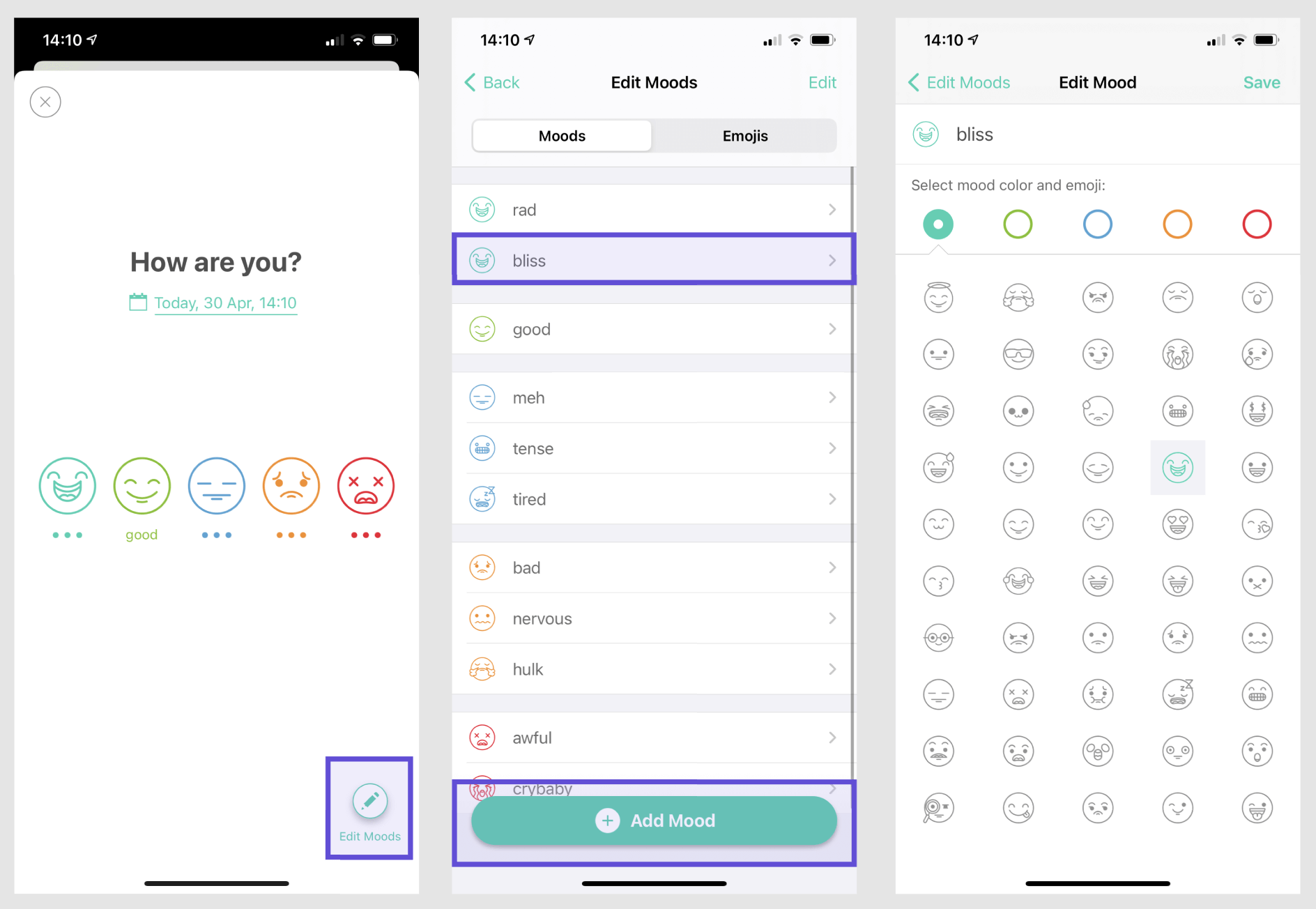
- Daylio
A colour-and-icon-based tracker that collects emotional patterns without requiring long entries.

Source: Daylio - Finch (free version)
A quirky emotional companion app where caring for your virtual bird reflects your self-care consistency.
Journaling Apps
Journaling creates cognitive clarity. It transforms tangled thoughts into organised reflection and helps you see what you’ve been carrying.
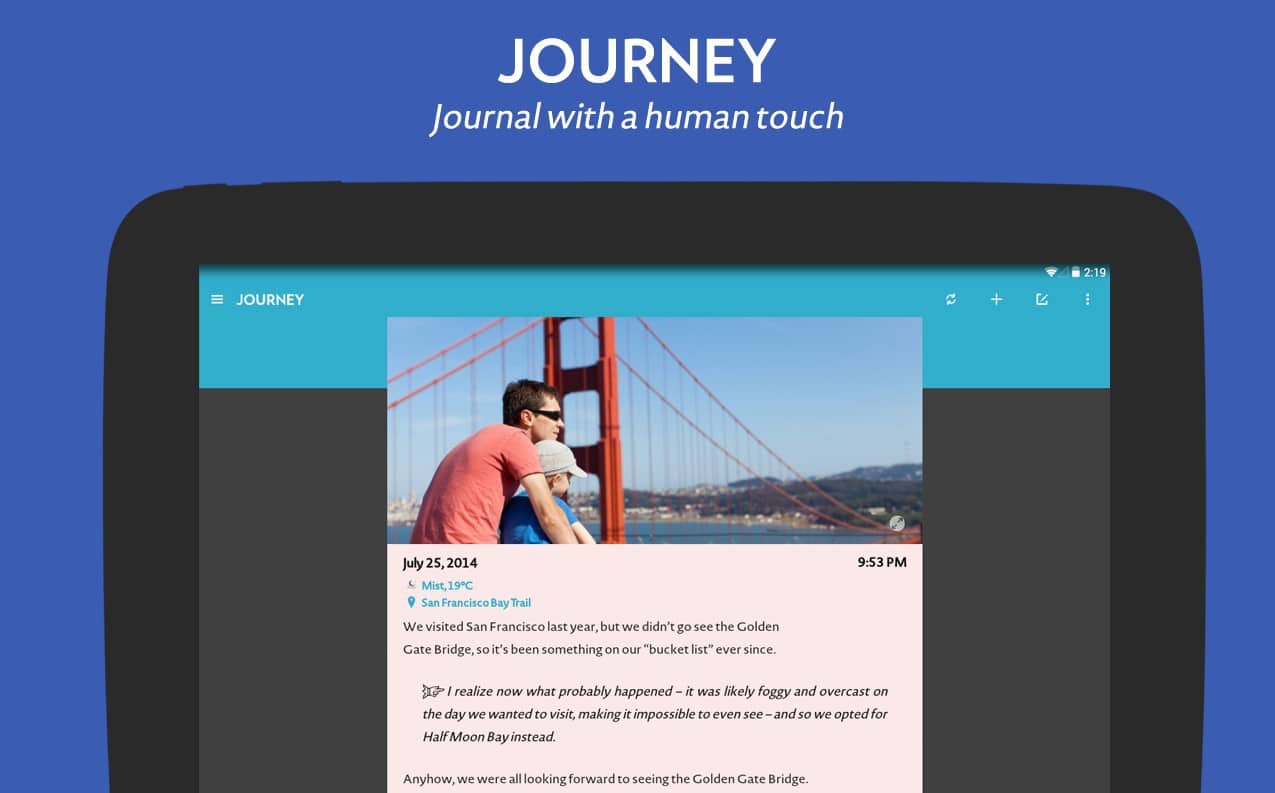
- Journey
Polished, guided and ideal for structured emotional processing without clutter.
Source: alvistor - Joplin
A minimalist, secure note-taking app perfect for people who want plain writing space without distractions.
Sleep Optimisation Apps
Mental energy begins with the night before. Sleep apps help create routines that allow deeper restoration.
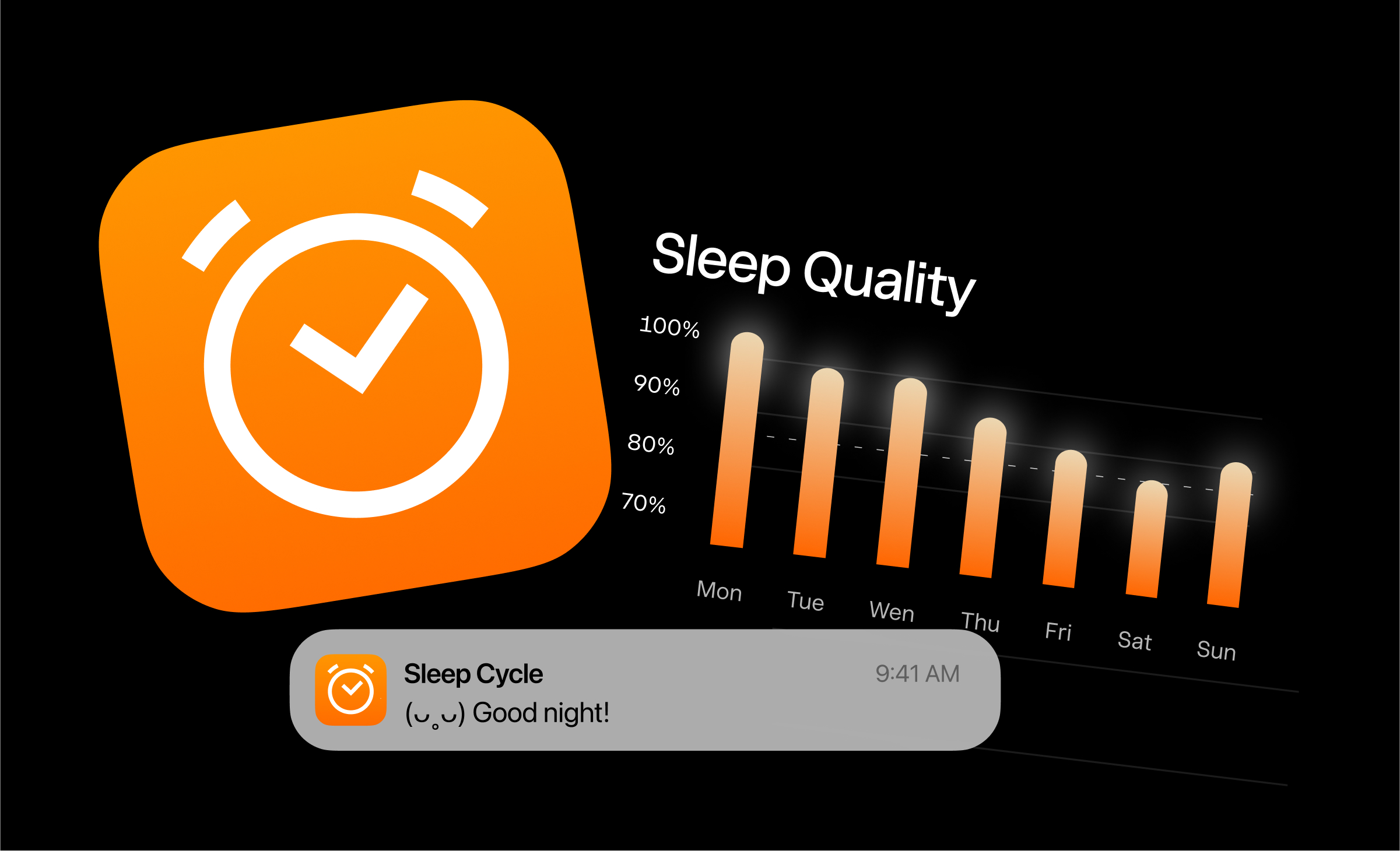
- Sleep Cycle
Uses sound analysis to map sleep quality and wakes you during the lightest phase, reducing morning fog.
Source: Sleep Cycle - Insight Timer
Offers a massive free library of sleep meditations, calming music and night routines used by millions.
Making It Stick: Integration and Effectiveness
A mental fitness plan works only when it merges seamlessly with daily life. Consistency, not intensity, is the magic ingredient.
- Start your day with a “mental warm-up.”
Open a focus app or write a two-minute journal entry before touching any notifications. - Pair each tool with an existing habit.
Mood tracking after meals
Sleep app 20 minutes before bed
Focus boosters at the start of your work block
Habit stacking keeps friction low.
- Switch tools based on your current mental load.
Focus apps on heavy workdays
Journaling on emotionally noisy days
Sleep tools during tight weeks - Reduce digital clutter before increasing mental effort.
Mute nonessential notifications.
Move social apps off the home screen.
Create “quiet hours” where the phone stays away. - Treat progress as emotional pacing rather than achievement.
Mental fitness is not measured by streaks or badges. It is measured by how your thoughts behave when life accelerates.
Mental fitness apps thrive when used with intention, not pressure. They help stabilize overwhelming days, sharpen your thinking, deepen your rest and raise your emotional bandwidth. The tools are already here—your only task is to begin using them as allies instead of afterthoughts.
FAQs
Q. How soon can users feel benefits from mental fitness apps?
A. Most people begin noticing small shifts within a week, including better focus and steadier emotions. Consistent use over several weeks creates deeper and more noticeable improvements.
Q. Are these apps a substitute for therapy?
A. No. They act as supportive tools, not replacements. They help with daily stress, clarity and emotional awareness while professional therapists address deeper issues requiring guided intervention.
Q. Do free versions provide enough value?
A. Yes. Many top mental fitness apps offer generous free tiers covering essential features. Paid upgrades mostly enhance convenience rather than core functionality.
Q. Is daily usage necessary?
A. Not strictly. A few structured sessions each week can still improve emotional rhythm, focus and mental steadiness. Consistency matters more than frequency.
Q. Can these apps help manage work stress?
A. Absolutely. Focus and grounding tools break long work cycles, calm anxiety peaks and help maintain steady concentration during intense professional schedules.
Q. Do mood trackers actually reveal meaningful insights?
A. Over time they show patterns in triggers, energy dips and emotional rhythms. These insights help you adjust routines and environments more effectively.
Q. Can using these apps reduce overall screen time?
A. Yes. Many tools encourage intentional use and help reduce impulsive scrolling by replacing mindless habits with structured, purposeful interactions.